









Certified rPET for a Circular Future
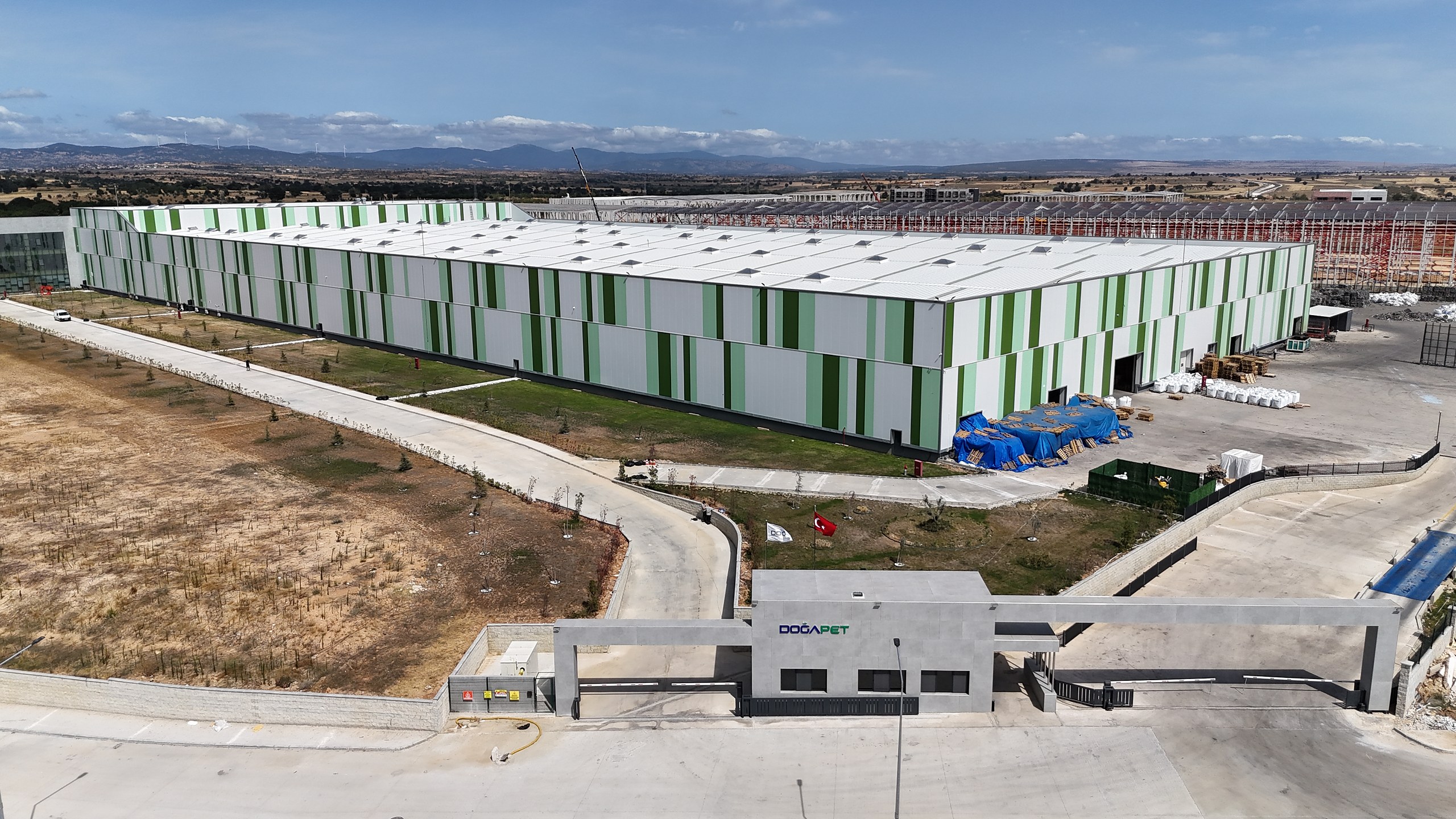
Europe’s packaging rules are changing. As the Packaging and Packaging Waste Regulation (PPWR) entered into application on 12 August 2026, brands are left with a single question on their agenda: where do I source certified, traceable recycled content? At Doğa Pet we have been producing the answer to that question at our Kırklareli plant for years.
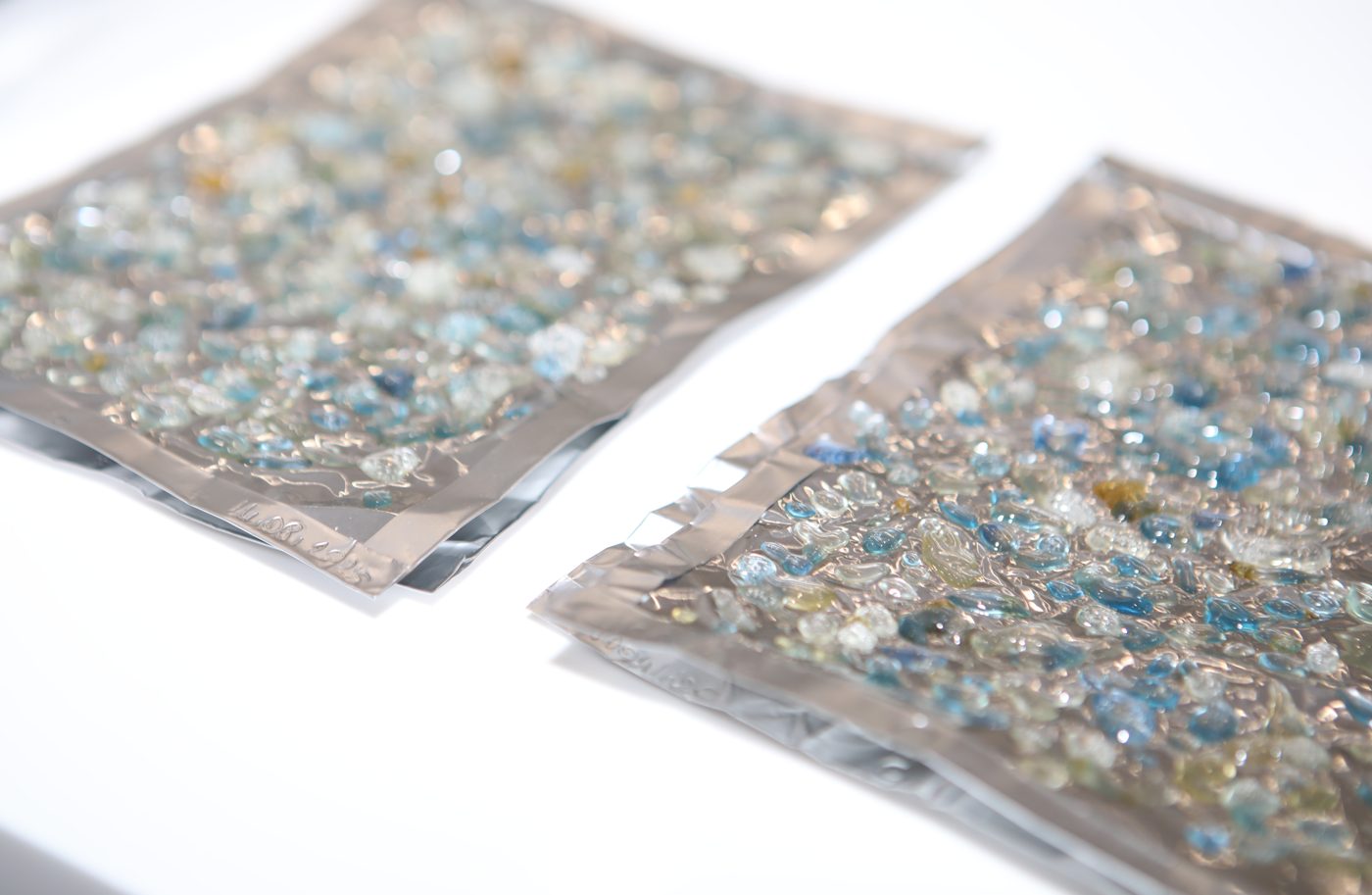
High-purity PET flakes from post-consumer PET
The process starts with the collection of post-consumer PET bottles. After sorting, washing and purification steps, the bottles become high-purity PET flakes. The critical variable here is purity: a line that minimises contamination directly determines the quality of the granules produced in the next step. Doğa Pet’s production discipline is built precisely on securing that purity standard.
Purity is not a single measurement but the outcome of several stages that each remove a different problem: caps and rings by density, labels and adhesive in the hot wash, remaining foreign polymers and off-colour particles by sensor sorting. What survives all of them is what the granule line has to work with, which is why a recycler’s flake quality sets the ceiling for everything downstream.
Food-contact grade rPET granules
The rPET granules obtained from PET flakes are produced to a level usable in the most demanding applications, such as food packaging. This is not just any recycling output; it is a material documented with EFSA, FDA and GRS certificates, with food safety and chain traceability verified.
Why do 2022/1616 and the EFSA framework matter?
Regulation (EU) 2022/1616, the EU framework for recycled plastics in food contact, requires recycling processes to be assessed by EFSA. In 2026 EFSA began publishing its first process opinions under this regulation. In this picture, EFSA/FDA-authorised production is no longer a “nice to have” but the entry ticket to the food-grade rPET market itself.
What each certificate actually covers
The three are often listed together, but they answer different questions. An EFSA process authorisation says that this specific decontamination process, operated within defined parameters, brings contaminants below the accepted limits for food contact in the EU. FDA clearance is the equivalent judgement for the United States market and matters for brands exporting there. GRS covers neither of those: it audits recycled content share and chain of custody, so it answers “is this really recycled, and can the volume be traced” rather than “is it safe for food”.
A buyer needs all three for different reasons, and confusing them is a common source of trouble in tenders — a GRS certificate alone does not make a material food-contact compliant, and an EFSA authorisation alone does not substantiate a recycled-content claim.
Logistical advantage from Kırklareli to Europe
Location is the quiet hero of this equation. Kırklareli, in Thrace close to the EU border, offers fast and low-cost access to the European market. For European brands whose demand for recycled content is rising with the PPWR, a supplier producing certified rPET right next to the border means both compliance and security of supply.
In practice this shows up as shorter transit times and the option of regular, smaller deliveries rather than a few large ones — which reduces the working capital tied up in resin stock and lowers the risk of a line standing still while a shipment clears customs.
Turkey’s deposit system and growing feedstock
The wind is favourable on the supply side too. Turkey’s Deposit Management System came into operation on 1 July 2026. When the system reaches full capacity, 7-8 billion bottles a year are expected to be recovered on the PET side alone. For plants like Doğa Pet, that means higher volumes of cleaner raw material.
A supplier ready for demand growing with the PPWR
Industry data completes the picture: the global rPET market stands at roughly USD 17 billion in 2026 and is expected to approach double that over the coming decade. Europe accounts for about a third of that market. In the same period the EU is restricting plastic waste exports — so feedstock stays in the region while demand rises with legislation.
Doğa Pet is positioned at this intersection: certified production, high purity, logistics close to the EU and a clear commitment to the circular economy. As a producer enabling the bottle-to-bottle loop, we aim to be a reliable solution partner for brands on their PPWR compliance journey.
What arrives with an order
Documentation should be part of the delivery, not a follow-up request. A shipment of food-grade material is normally accompanied by a certificate of analysis for the batch, a declaration of compliance referencing the authorised process, and, where recycled-content claims are being made, the corresponding transaction certificate. Agreeing that list before the first order is the simplest way to avoid the situation where material is on site, the line is waiting, and the paperwork needed to use it is still being chased.
You can review our certificates, our food-grade rPET granules and our guide on what rPET is.
What the PPWR asks of a brand
The regulation does not simply ask for recycled material; it asks a brand to be able to show, per packaging unit placed on the market, how much recycled content it contains and on what basis that figure is claimed. That turns supplier selection into a documentation question as much as a commercial one. A brand whose supplier reports recycled content by batch, with certificates that tie back to an audited chain of custody, can answer it from existing records; one buying on price alone will be reconstructing the evidence after the fact, usually under time pressure.
Sources
- EC adopts regulation on recycled plastic food contact materials (EU 2022/1616) — Food Packaging Forum
- Recycled plastic materials — EFSA
- EU Updates Legislation on Food Contact Recycled Plastics — SGS
- Recycled PET (rPET) Market Size, Share — Business Research Insights
- Recycled PET Market, Europe Holds 33.8% — OpenPR